

Composting
Composting is nature's way of recycling biowaste and enables a 'closed-loop' approach to producing a rich source of organic matter and nutrients for plants and crops.

Best-In-Class Technology & Process
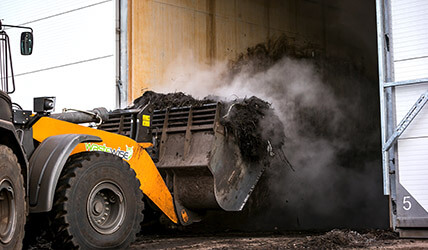
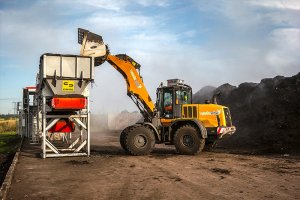
Our strategically located composting facilities utilise advanced technologies to efficiently and cost effectively convert over 200,000 tonnes of biowaste per annum into a range of high quality, industry certified organic compost products. With over 20 years’ experience in composting, we are continually improving our process, increasing capacity and reducing costs whilst maximising our positive impact on the environment.
High Quality Products
At the end of the composting process, the compost is graded into different products for use in a range of high quality organic soil improvers, growing media and top soils.
All our compost products are certified to BSI PAS 100 and Compost Quality Protocol standards for use in horticulture, agriculture, landscaping and land remediation.
Our composting process is subject to stringent monitoring and testing to ensure compliance with industry standards. This assures the end user that the compost is produced to the highest safety, reliability and quality standards.
Composting Services & Products
Our treatment methods & products
Garden & Food Waste
Garden Waste Only

Quality Organic Compost
We produce two grades of compost, 0-10mm and 0-25mm, both ideal for use in horticulture, agriculture, landscaping and land remediation.
Please contact us for prices and delivery information or to discuss your requirements.

``We are delighted that Wastewise has delivered an efficient, sustainable and low-cost solution to recycle organic waste whilst further improving the Council’s recycling rates.”

We’re here to help, whether you’re looking to work with Wastewise or if you have any questions about how we operate.